Building Systems That Survive a Key Person Leaving
When a service business loses a key person, the founder who still signs off every invoice, the operations manager who has run the same process from memory for years, the senior technician who is the only one who knows how a particular client account works, the upheaval is rarely about losing talent alone. It is about discovering how much of the business existed only in that person's head.
This is one of the most common problems Claro Builds sees when we start an operations engagement. A business looks stable from the outside. Revenue is steady, clients are happy, the team seems to know what it is doing. Then someone hands in their notice, goes on leave, or simply gets sick for a couple of weeks, and the cracks show immediately. Deadlines slip. Clients get the wrong answer. Nobody can find the file, the login, or the reason a decision was made a certain way.
Why One Person Leaving Can Derail an Entire Business
Most small and medium-sized service businesses grow organically. A founder starts doing everything themselves. As the business grows, tasks get handed off, but the underlying process usually does not get written down, it gets demonstrated. Someone watches, learns by doing, and eventually becomes the person who "just knows" how things work.
That works fine until it does not. The moment that person is unavailable, whether through resignation, illness, or simply being on holiday, the business has no fallback. Nobody else can approve the exception, chase the missing document, or remember which supplier gets paid first when cash is tight.
This pattern has a name, and a real cost attached to it, which we break down in the cost of tribal knowledge. It is not a staffing problem. It is a systems problem, and it is fixable the same way any other systems problem is fixable: by fixing the process first, then building something around it that does not depend on any one person's memory.
The Difference Between a Key Person and a Single Point of Failure
Every business has people who matter more than others. That is normal and not a problem on its own. The problem is a single point of failure: a task, decision, or piece of knowledge that only one person can perform, with no documentation, no backup, and no way for anyone else to pick it up without that person physically explaining it first.
A useful exercise for any founder or operations lead is to list every recurring task in the business and ask, honestly, "if this person disappeared tomorrow, could someone else do this within a week?" Where the answer is no, that task is a single point of failure. Where it is also a task with real consequences if it stalls, payroll, client delivery, invoicing, compliance, it becomes urgent.
We have covered how to get that knowledge out of someone's head and into something usable in our guide to documenting a process that only exists in one person's head, which is a good next step once you have identified where the risk actually sits.
How This Shows Up Differently Depending on the Role
A key person risk looks different depending on where in the business it sits. When a founder is the single point of failure, everything routes through them personally: approvals, client relationships, pricing exceptions, even which supplier gets paid first when cash is tight. The business cannot function normally for more than a few days without them.
When it is a senior operations person, the risk usually shows up in the systems nobody else understands well enough to fix when something breaks. Passwords live in their memory rather than a shared vault. The logic behind a spreadsheet formula or an automation rule exists only in their head. When a specialist technician or account manager is the single point of failure, the risk is usually relational: a client trusts that one person specifically, and nobody else on the team has been properly introduced or briefed on the account's history.
Each of these needs a slightly different fix, but the underlying principle is the same: the knowledge, the access, and the relationship all need a second point of contact before there is an emergency, not after.
What a Survivable System Actually Looks Like
A business that can survive a key person leaving is not one where everyone is interchangeable. It is one where the process, not the person, carries the institutional memory. That means:
- Every core process has a written version that a competent new hire could follow without needing to ask the previous person for help.
- Access to accounts, logins, shared drives, and client records does not sit with one individual. It is documented and recoverable by someone else.
- Decisions have a documented rationale, not just an outcome, so the reasoning behind an exception or a client-specific arrangement survives the person who made it.
- At least one other person has been shown how to do the task, even if they do not do it day to day.
This is the same standard we hold every build to at Claro Builds. It is why The Claro Build Framework always ends with Sustain, not Build. A system that only works while the person who built it is still around was never actually finished.
Where the Founder Fits Into This
Founders are often the biggest single point of failure in the business, and the hardest one to fix, because the founder is usually the one deciding what gets documented and when. If every approval, every exception, and every client relationship still routes through you personally, the business has not actually outgrown its dependence on you, no matter how big the team has become.
If that sounds familiar, the founder bottleneck covers why this happens and how to start stepping back safely, without the business losing momentum in the process.
This is worth confronting directly rather than treating as a compliment. A business that cannot run without its founder for two consecutive weeks is not resilient, it is fragile with good branding. Fixing this does not mean stepping back from the business. It means making sure the decisions you make have a documented logic that someone else can follow when you are not there to make the call yourself.
Where to Start
Trying to document everything at once is how these projects stall before they start. A more realistic approach:
- Identify the three or four tasks that would cause the most damage if they stopped the day a key person left.
- Write down the current process for each one, including the judgement calls, not just the mechanical steps.
- Assign a second person to actually run through the process, so gaps in the documentation show up before there is an emergency.
- Build in a review point, so the documentation gets updated as the process changes, rather than going stale within months.
This mirrors the Assess and Design stages of the Claro Build Framework, because before anything gets automated or systemised, the business needs an honest picture of where the risk actually sits.
None of this needs to happen simultaneously. A business that documents one critical process every month has, within a year, closed off the majority of its biggest risks, without ever needing to stop day-to-day operations to do it.
This Is Not About Distrust
Founders sometimes resist this work because it feels like preparing for someone to leave, as if writing things down is a vote of no confidence in the team. It is the opposite. Documenting a process protects the person doing it as much as the business. Nobody wants to be the only one who can answer the phone when a specific client calls, or the only one who remembers why a particular workaround exists. Removing that pressure is part of building a business people actually want to stay in.
There is also a commercial reason to take this seriously beyond risk management. Buyers, investors, and even larger clients increasingly ask about this directly during due diligence: how much of the business depends on one individual. A business that can demonstrate its processes survive personnel changes is worth more, and is taken more seriously in negotiations, than one that cannot answer that question convincingly.
A business that depends entirely on one person is not more loyal, it is more exposed. The goal is not to make anyone replaceable in a cold sense. It is to make sure the business keeps its promises to clients and staff even when life happens to the people running it, because life happens to every business eventually.
Losing a key person will always be hard on the business. It does not have to be a crisis. The businesses that recover quickly are the ones that did the unglamorous work of writing things down before they needed to.
Frequently Asked Questions
What counts as a single point of failure in a small business?+
Any task, decision, or piece of knowledge that only one person can handle, with no documentation and no one else able to step in without that person explaining it first. It often includes approvals, client relationships, and access to accounts or systems.
How do I identify which processes are most at risk?+
List every recurring task in the business and ask honestly whether someone else could pick it up within a week if the person currently doing it disappeared. Where the answer is no, and the task matters, that is where the risk sits.
Do I need formal SOPs for every single task?+
No. Start with the handful of tasks that would cause the most damage if they stalled, not every task in the business. Trying to document everything at once is one of the most common reasons this work never gets finished.
How does this relate to The Adoption Standard?+
The Adoption Standard governs the handover of a specific system Claro Builds delivers, a structured 45-minute call plus documentation written as the system is built. Building a business that survives a key person leaving is a broader version of the same idea, applied across the whole operation, not just one build.
Is this only a concern for very small businesses?+
No. Larger service businesses often have more single points of failure, not fewer, because more specialised roles tend to accumulate more undocumented knowledge over time.
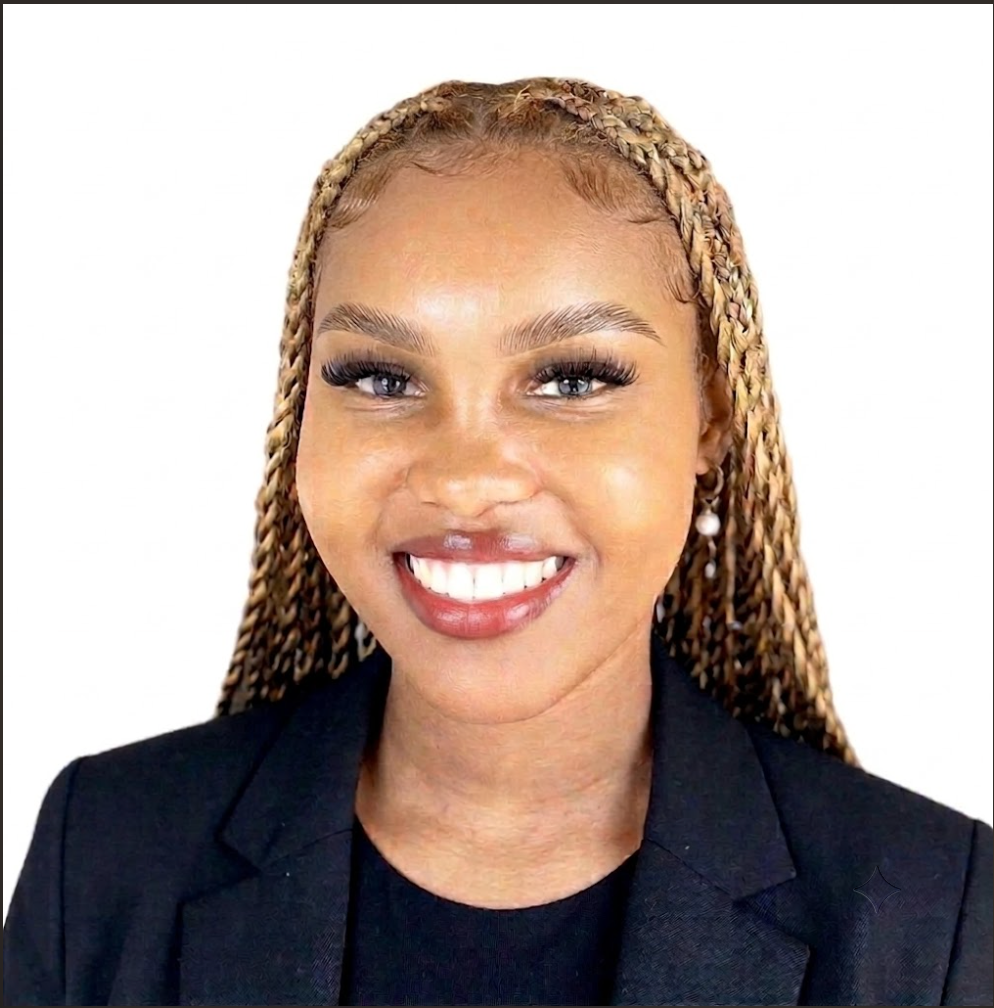
Lerato Kgonoti
Founder and Director, Claro Builds
Lerato Kgonoti is the founder and director of Claro Builds, an operations and AI consultancy helping small and medium-sized service businesses implement automation, integrate AI into their daily operations and equip their teams with the practical skills to keep up with an increasingly automated world. Lerato founded Claro Builds on the belief that AI should be accessible, practical and human, not a privilege reserved for large enterprises, but a genuine advantage available to every service business ready to use it. Through builds, audits and private workshops, Claro Builds closes the gap between where small businesses operate today and where they need to be.
Related Articles
The Claro Build Framework: How We Assess, Design, Build and Sustain Every System We Deliver
A framework that stays private is not something you can evaluate before you hire someone. This is the full, public definition of the four-stage method behind every Claro Builds engagement.
What Is an Operations Audit, and How Is It Different From Jumping Straight Into a Build?
An audit is not a warm-up act for a sales pitch. It is the Assess stage of the Claro Build Framework delivered on its own, and it exists to give an honest answer before anyone commits budget to a build.
5 Signs Your Business Has Outgrown Its Current Systems
Growth is gradual, so the friction of outdated systems often feels normal long before anyone names it. Here are five specific, checkable signs that your operations have outgrown the systems supporting them, and what each one signals about where to focus first.